Home › Private Road and Lane Paving
Precision Asphalt Charlotte handles private road paving in Charlotte, NC for neighborhoods, shared driveways, and long rural lanes. We evaluate traffic loads, soil conditions, and drainage, then build a strong stone base and asphalt surface that stands up to daily use. Our private lane paving solutions improve access, reduce dust and mud, and add long term value to your property or community.
Precision Asphalt Charlotte provides professional private road paving throughout Charlotte, NC, North Carolina and the surrounding area. Our licensed, insured crew delivers safe, clean, on-time work with a free estimate before anything begins. Call (704) 387-3626 or request your free quote.
Private Road Paving for Homes, Farms, and Small Communities
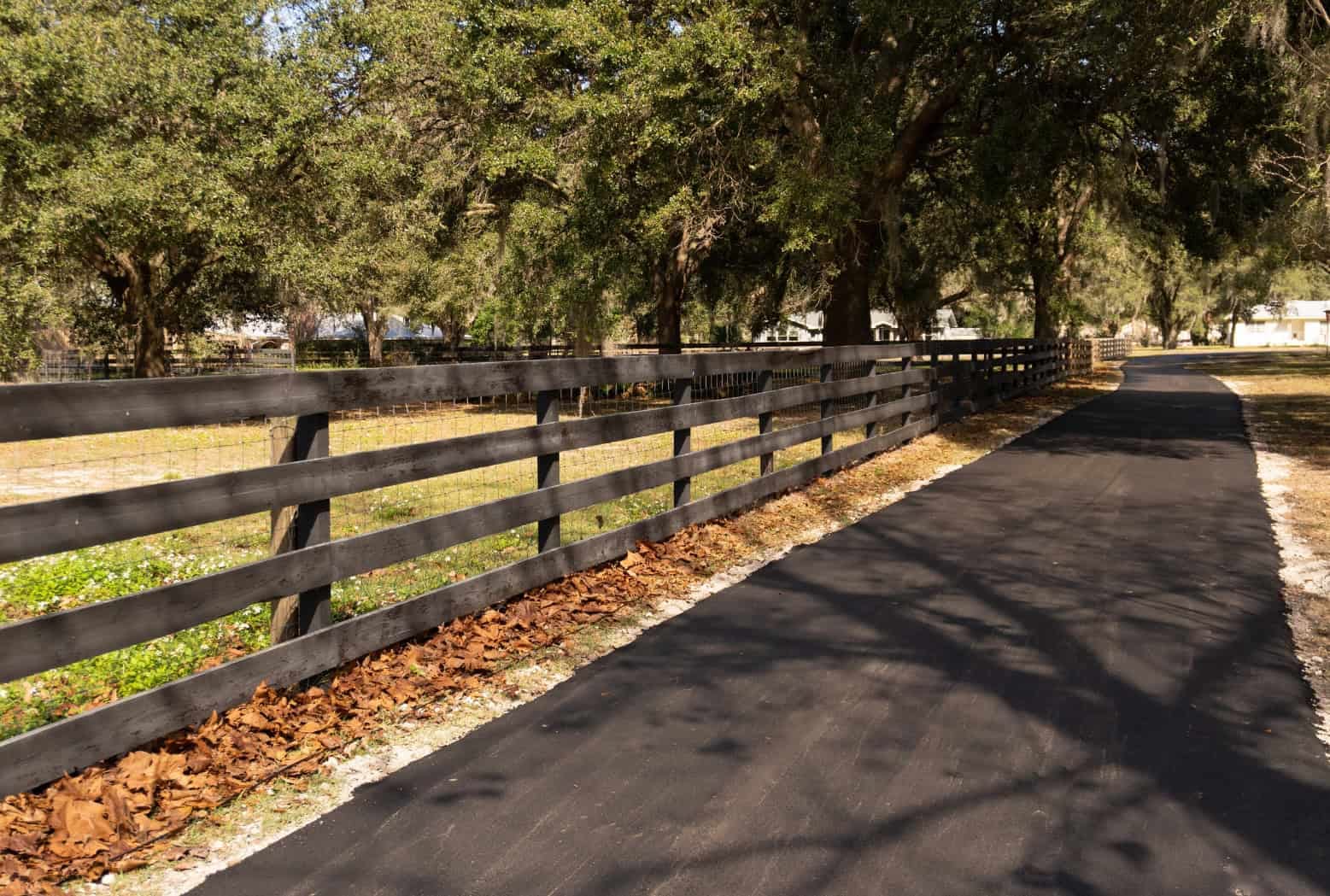
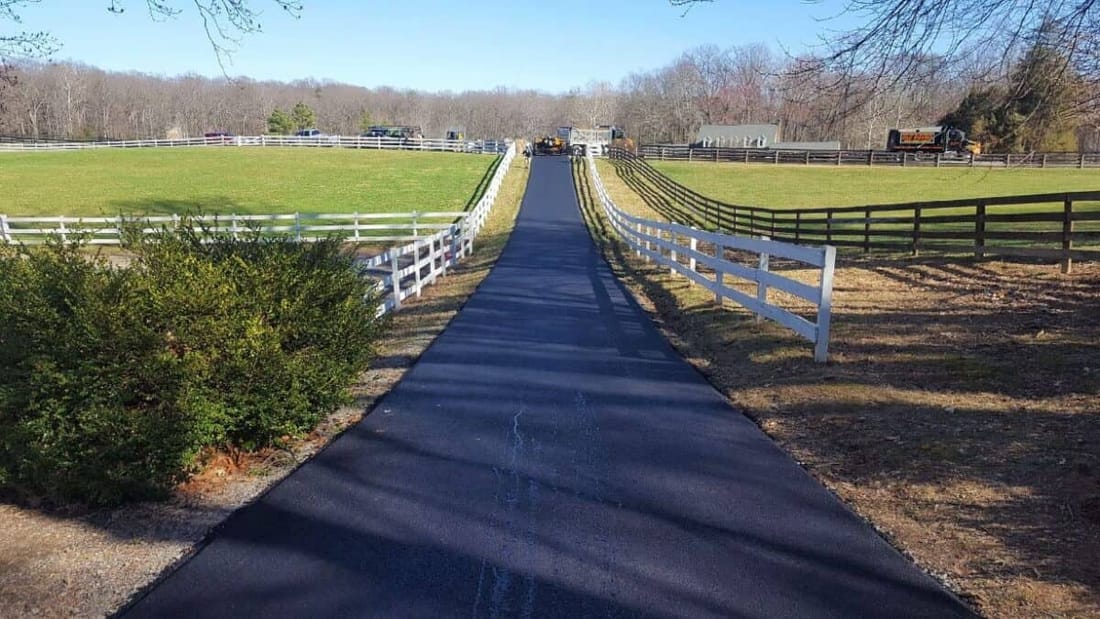
If you share a long driveway, live on acreage, or manage a small neighborhood in or around Charlotte, your private road takes a beating from daily traffic, delivery trucks, and Carolina weather. Precision Asphalt Charlotte focuses on private road and lane paving that is built for these real-world conditions, not just for looks.
Unlike a short residential driveway, private roads often have mixed traffic, longer lengths, and drainage challenges. That means we start every project with a walk of the entire route. We look for soft spots in the existing gravel, standing water, shade patterns from trees, steep sections, and tight turns where vehicles tend to rut or spin. By the time we give you a proposal, we already have a clear plan for how to prevent those headaches from coming back.
We handle private lanes for single homes, shared access drives for 3 to 10 houses, HOA roads inside small communities, and service roads on farms or commercial properties. Whether you want a smooth blacktop that feels like a neighborhood street or a robust lane that can handle dumpsters and delivery trucks, we tailor the design to what actually uses that road every week.
How the Private Road Paving Process Works
When Precision Asphalt Charlotte paves a private road or lane, we follow a step-by-step process that keeps surprises to a minimum and results consistent.
First, we evaluate the current surface. If you have an existing gravel lane, we test how firm the base is, check depth, and look at how water leaves (or does not leave) the road. For older paved roads, we inspect cracks, edge breakdown, and any alligator cracking to decide if milling, patching, or full removal is needed.
Next, we address the base. In the Charlotte area, our red clay soils can be strong when dry and weak when saturated. We often undercut soft areas, then bring in crushed stone (typically ABC stone) and compact it in layers with a vibratory roller. On steeper hills or spots that always stay damp, we may recommend a thicker stone base or stabilization with geotextile fabric to keep the stone from punching into the clay.
Once the base is solid and graded, we fine-tune the slope. For private roads, we usually build a gentle crown so water sheds to both sides, or a consistent cross-slope where the terrain requires it. At this stage we also confirm tie-ins at entrances, driveways, and parking pads so there are no abrupt height changes.
Paving is next. We bring in hot mix asphalt from a local Charlotte plant, lay it with a paver for an even surface, then compact it with steel drum and pneumatic rollers. On most private roads we recommend a two-lift system: a thicker base course for strength and a finer surface course for smoothness and longevity. The exact thickness depends on length, traffic type, and budget, but we explain those options in plain language so you can make an informed choice.
Finally, we handle edges and clean up. We shape soil up to the new pavement, address driveway transitions, and make sure ditches and culverts are open. Before we leave, we walk the road with you so you know how to care for it while it cures and in the years ahead.
Design Choices: Thickness, Width, and Drainage That Actually Work Here
Private road paving in Charlotte is not one-size-fits-all, and small design choices have a big impact on how long your road holds up.
Thickness is one of the most important decisions. For light residential use with cars and small SUVs, we may recommend 2 inches of surface asphalt over a solid stone base. For roads that see heavier trucks, moving vans, or farm equipment, we often bump that up to a combined 3 to 4 inches in two layers. It costs a bit more up front, but it is much cheaper than repairing a road that was built too thin.
Width is another key choice. A single-lane private road is often 10 to 12 feet wide. For shared access roads, curve areas, or spots where two cars commonly meet, we may suggest widening to 14 or 16 feet or adding short passing sections instead of extra width along the entire route. This helps manage cost while still keeping things safe.
Drainage is where many private roads around Charlotte fail. Our summer storms can drop a lot of water in a short time, and if that water sits on or next to the pavement, the structure breaks down faster. Precision Asphalt Charlotte pays attention to ditch depth, outlet points, and culverts. In low spots we might recommend adding a pipe under the road, cleaning out an existing ditch, or adjusting the grade so water does not collect on the surface.
You can also choose surface mix types. For most private lanes we use a dense graded mix that balances smoothness with durability. In shaded or tree-lined areas, we might lean toward a slightly coarser mix to improve traction when leaves or moisture are present. We discuss these tradeoffs during planning so your road matches how and where it is used.
What Affects Cost and How to Control Your Budget
Two private roads can look similar on a map yet have very different costs. Precision Asphalt Charlotte is up front about what drives pricing so you can prioritize what matters most.
Length and width are the obvious factors, since they dictate how much stone and asphalt are needed. Terrain plays a big role too. Hills, curves, and areas that require tree clearing or heavy grading take more time and equipment. If your road crosses a creek or drainage way, the need for culverts or headwalls will increase the budget.
Existing conditions are also important. A well-compacted gravel road with decent drainage might only need minor base touch-ups before paving. A rutted lane with standing water may require undercutting, more stone, or geotextile, which adds cost but prevents repeated failures. Sometimes we can phase this work, tackling the worst sections first and paving the rest later to spread out expenses.
Material thickness and layer count are another lever. We will never suggest a structure that we know will fail early, but there is usually a range that can work. For example, you might choose to pave the full recommended stone depth now and start with a single asphalt lift, then plan for an additional overlay in a few years. We will walk you through these options honestly so you are not paying for overbuilt pavement where it is not needed.
Access and logistics affect cost as well. Narrow entrances, limited turnaround space for trucks, and very long hauls from the plant can change the number of trips we need to make. Since we are local to Charlotte, we understand plant locations, typical traffic patterns, and the best times of day to schedule so your project runs efficiently and materials are placed at the right temperature.
Common Problems, Maintenance, and How We Stand Behind Our Work
Even the best-built private road needs some attention over time, especially in a climate like Charlotte where we see hot summers, occasional freezing, and plenty of rain. Precision Asphalt Charlotte helps you plan for that from day one.
Common problems we see on older private lanes include edge raveling (where the sides start breaking off), potholes in low spots, and alligator cracking where the base was never properly built. When we pave your road, we design to avoid those issues, but we also explain what to watch for so you can address minor concerns before they turn into big repairs.
Routine maintenance usually includes keeping ditches and culverts clear, trimming back vegetation that shades or traps moisture on the pavement, and occasionally adding stone shoulders to support the edges. For longer roads, applying a sealcoat at the right time can slow down oxidation and surface wear. We can put together a simple schedule based on your specific road, traffic, and budget.
If you already have a failing private road, we are realistic about what can be saved. Sometimes full-depth patching in specific areas is enough. Other times, especially where the base is weak over long stretches, it is smarter to rebuild sections now rather than patch them repeatedly. We break down the options in clear language, along with the likely life expectancy of each approach.
As a local contractor, we stand behind our work and stay reachable after the job is done. Because we regularly work in Charlotte and surrounding areas like Huntersville, Matthews, and Mint Hill, we know how local soils and weather affect private road paving in the real world, not just on paper. That experience goes into every design decision we make, so your lane or road stays usable, safe, and attractive for years to come.