Home › Commercial Asphalt Resurfacing & Overlays
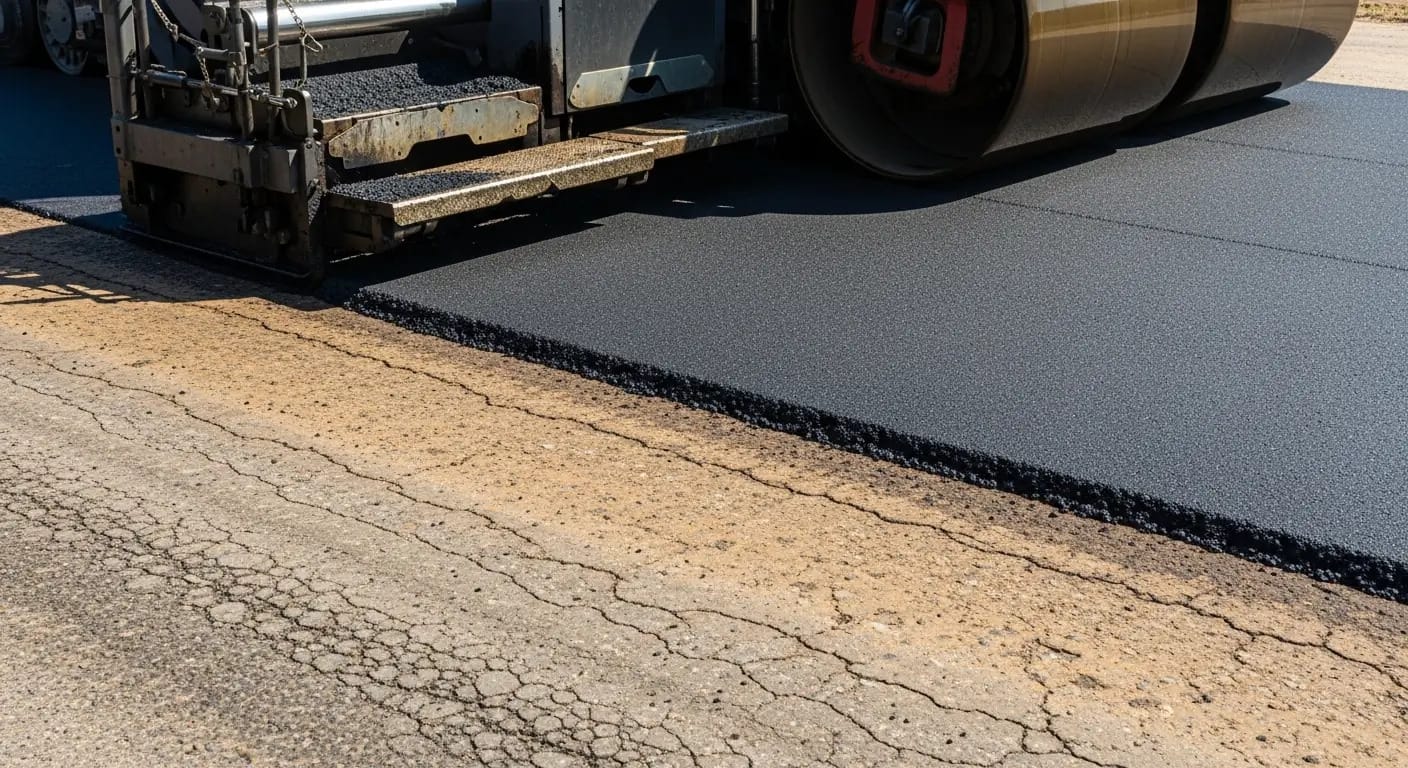
Extend the life of your pavement with commercial asphalt resurfacing and overlays in Charlotte, NC. We repair problem areas, then install a new asphalt layer over sound base material. This cost effective approach refreshes old lots and drives with a smooth, professional surface that impresses visitors.
Precision Asphalt Charlotte provides professional commercial asphalt resurfacing throughout Charlotte, NC, North Carolina and the surrounding area. Our licensed, insured crew delivers safe, clean, on-time work with a free estimate before anything begins. Call (704) 387-3626 or request your free quote.
Commercial Asphalt Resurfacing Built for Charlotte Properties
Commercial asphalt resurfacing is about saving a parking lot or drive lane before it reaches the point of full replacement. At Precision Asphalt Charlotte, we focus on overlays and resurfacing for properties in and around Charlotte, NC where the base is still solid, but the surface is worn, cracked, or rough.
In practical terms, resurfacing means installing a new layer of hot mix asphalt over the existing pavement. Done correctly, it can add 8 to 15 years of life to shopping center lots, office parks, medical facilities, industrial yards, restaurants, and churches, while keeping your business accessible. The key is knowing when resurfacing is appropriate and when the underlying base is too compromised. Our crews evaluate drainage, base stability, and traffic patterns before recommending an overlay.
Charlotte’s weather puts unique stress on commercial pavement. Summer heat softens asphalt and makes any standing water more damaging, while winter freeze-thaw cycles widen small cracks. Locally, we see the same pattern: raveling around high-traffic drive lanes, potholes where delivery trucks turn, and surface cracking in older parking stalls. Our resurfacing plans are built around those real-world conditions, not a generic checklist.
We also plan work to fit your operating hours. For retail centers in the Charlotte area, we often phase resurfacing so main entrances stay open, working overnight or in off-peak windows. Industrial clients might need weekend work or coordination with shipping schedules. The goal is simple: restore the pavement structure and appearance while keeping disruption to your tenants and customers as low as possible.
How Our Commercial Asphalt Resurfacing & Overlay Process Works
A quality overlay job follows a clear set of steps. Precision Asphalt Charlotte uses a process designed around commercial sites and the soil and weather conditions specific to the Charlotte market.
1. Site evaluation and core checks: We walk the property, identify failures, and, when needed, take core samples or test cuts to see how thick the existing asphalt is and whether the stone base is stable. If the base is pumping water or heavily contaminated with clay, we discuss repairs or partial reconstruction instead of a simple overlay.
2. Drainage and slope review: Before any new asphalt goes down, we check that water can move off the surface toward drains or swales. In Charlotte’s summer storms, poor drainage is the fastest way to ruin a new overlay. If low spots exist, we mark them for leveling and sometimes add or adjust catch basins or inlets.
3. Milling and transition work: We typically mill (grind) the existing asphalt at tie-in points like entrances, loading docks, curb lines, and around utility covers. This lets the new overlay sit flush with concrete gutters, sidewalks, or dock plates instead of creating a lip. For some lots, we also do full-lot profiling with a mill to correct birdbaths and improve slope.
4. Structural patching: Overlaying over deep potholes and failed areas just hides the problem. We saw cut and remove those sections, repair the base if needed, and install new hot mix asphalt to match or exceed surrounding thickness. These “dig out” repairs give the new overlay a solid foundation.
5. Tack coat application: We spray a bonding agent (tack coat) on the prepared surface so the new asphalt layer adheres properly. Skipping or thinning this step leads to slippage cracks and delamination, which is why our crews apply it carefully and uniformly.
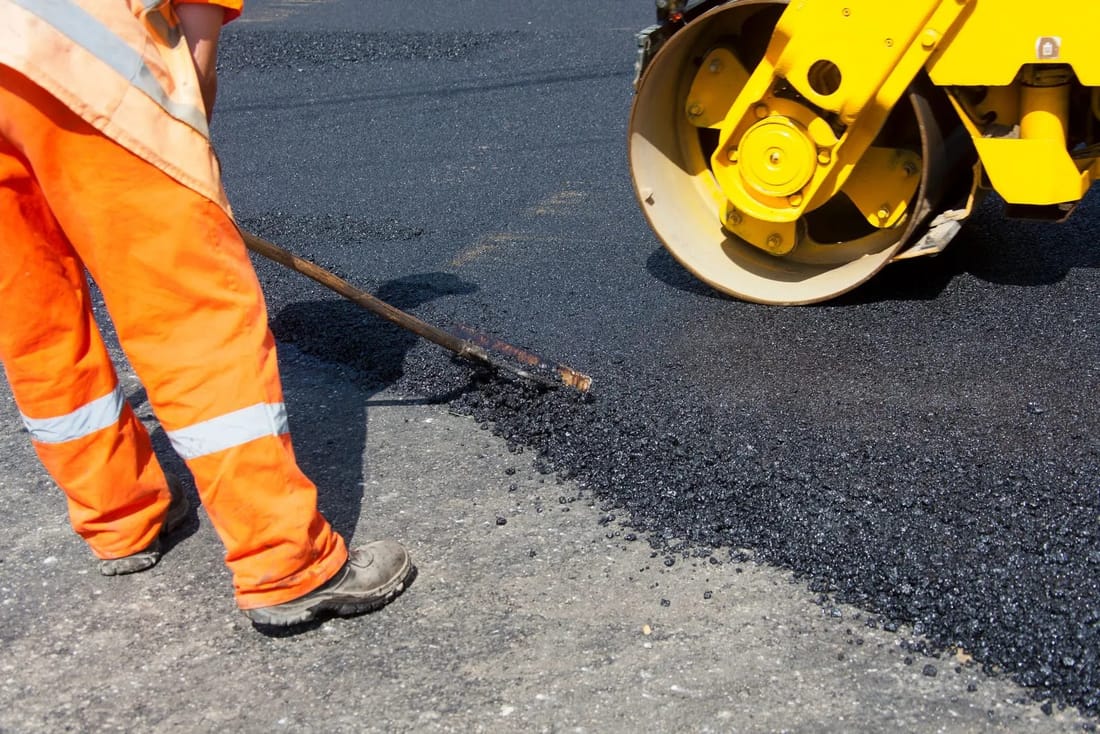
6. New asphalt overlay installation: We install a new asphalt layer, usually 1.5 to 2 inches for typical commercial parking lots in Charlotte and up to 3 inches for heavy truck lanes or industrial yards. A paver lays the mix in controlled passes, and rollers compact it to the correct density. Mix type is chosen based on use, such as tighter-graded mixes for slow-speed parking areas and heavier-duty mixes for truck routes.
7. Joint sealing, striping, and final cleanup: To finish, we seal main joints where needed, adjust manhole rings and valves, and then re-stripe stalls, ADA spaces, crosswalks, fire lanes, and directional arrows. Our striping layout follows current ADA and fire code requirements, which is especially important for office parks, medical sites, and retail centers.
Costs, Options, and What Drives Your Resurfacing Budget
Every commercial asphalt resurfacing job has different cost drivers. At Precision Asphalt Charlotte, we price overlays around actual site conditions rather than a one-size-fits-all square foot number.
Thickness and mix design are the first major factors. A basic 1.5 inch overlay in a light-traffic office lot costs less per square foot than a thicker, truck-rated overlay in a distribution yard that may require 2.5 to 3 inches of asphalt and a higher performance mix. The more structural support the pavement needs, the more asphalt and compaction time it requires.
Existing pavement condition also plays a big role. Lots with widespread alligator cracking, deep potholes, or saturated base areas need more patching and possible base repair before resurfacing. In Charlotte’s older commercial corridors, we often find multiple layers of past overlays, which can push asphalt too high against curbs and buildings. In those cases we may recommend milling down the surface first, which adds cost but protects door thresholds, curb heights, and drainage.
Access and phasing affect budget too. If we can pave in large, continuous areas with clear access for trucks and rollers, production goes faster and costs stay lower. Properties that require small phases, extensive hand work around islands, or night work to keep businesses open will have more labor and traffic control time built into the price.
Site-specific needs such as drainage corrections, concrete work at dumpster pads or docks, and utility adjustments are separate line items. In the Charlotte area, we often find undersized or sunken catch basins in older lots. Raising or replacing them during resurfacing can avoid chronic ponding and future structural damage.
We are upfront with commercial owners and property managers about what is optional and what is not. For example, sealcoating is not a substitute for resurfacing if the pavement is structurally failed. On the other hand, some hairline surface cracks can be managed with crack sealing and maintenance instead of immediately overlaying. Our goal is to help you match the scope to your budget and your long-term plans for the property.
Common Pavement Problems We Fix With Resurfacing & Overlays
Not every surface issue needs a full reconstruction. Commercial asphalt resurfacing is often the right answer for common problems we routinely see across Charlotte, NC properties.
Widespread surface cracking: When there are numerous interconnected cracks but the base is still firm, an overlay can seal out water and restore a smooth surface. We first crack seal or patch the worst areas, then overlay to lock everything together. This is common in office parks and multifamily communities built 15 to 25 years ago.
Raveling and surface wear: In high-traffic drive lanes, the top layer of aggregate can loosen over time, creating a rough, dusty surface. A correctly compacted overlay restores skid resistance and appearance. We often resurface drive aisles at grocery anchored centers and restaurant outparcels where traffic is constant and aging surfaces look tired.
Shallow potholes and depressions: When potholes are limited to the asphalt layer and have not punched into the base, we can patch those spots and then overlay the entire lane or section to even things out. This approach is popular for busy entrance drives on Charlotte arterials like Independence Boulevard or South Boulevard, where a full rebuild would cause major disruption.
Grade and drainage inconsistencies: Over the years, small overlays and patches can create uneven slopes and birdbaths. Before installing a new overlay, we can mill down high areas and add leveling courses to push water toward drains. This reduces standing water that accelerates deterioration and creates slip hazards.
Aging overlays: Many commercial lots around Charlotte already have one or two overlays in place. If the structure is still sound but the top layer is cracking and faded, another properly engineered overlay can extend its life again. The key is managing overall height so curbs, concrete ramps, and building entrances remain functional and ADA compliant. Where asphalt has already reached those limits, we may suggest milling down before installing the next surface layer.
Why Local Experience Matters for Commercial Asphalt Resurfacing in Charlotte
Resurfacing looks straightforward from the outside, but local conditions in Charlotte affect how long your overlay will actually last. Precision Asphalt Charlotte builds each project around what we know about this region’s soils, weather, and traffic patterns.
Much of the Charlotte area sits on clay-heavy soils. When these soils hold water, they expand and contract with temperature swings, which can move the base under your pavement. We plan overlays with that in mind, focusing on solid drainage, full-depth repairs where the base is pumping, and not oversaturating the existing structure with too much added thickness in problem areas.
Our summer thunderstorms dump water quickly. If your lot has even minor birdbaths now, heavy rain will find them and keep them wet, which shortens overlay life. That is why we spend time before paving to mark low areas and adjust slopes as part of the resurfacing scope, not as an afterthought.
Charlotte is also a logistics and distribution hub, so many “regular” commercial lots see more delivery trucks and rideshare traffic than they were originally built for. When we evaluate a resurfacing project, we look at where trucks enter, turn, and park, and we may recommend heavier-duty overlays or additional thickness on those specific lanes, while keeping standard thickness in typical parking bays to control costs.
Finally, timing and coordination matter. Local knowledge of permitting rules, school schedules, Panthers and Hornets game days, and even neighborhood traffic patterns helps us choose work windows that keep your property accessible. We routinely coordinate with property managers, HOAs, and facility teams across Charlotte to phase work so tenants, residents, and customers can still reach your building while we upgrade the pavement.
When you talk with Precision Asphalt Charlotte, you get clear explanations of what your lot actually needs, not just a generic resurfacing quote. We walk the site with you, mark repairs, explain overlay thickness and mix choices, and give you a plan that fits how your property is used today and how you expect to use it in the coming years.