Home › Commercial Gravel-to-Asphalt Conversions
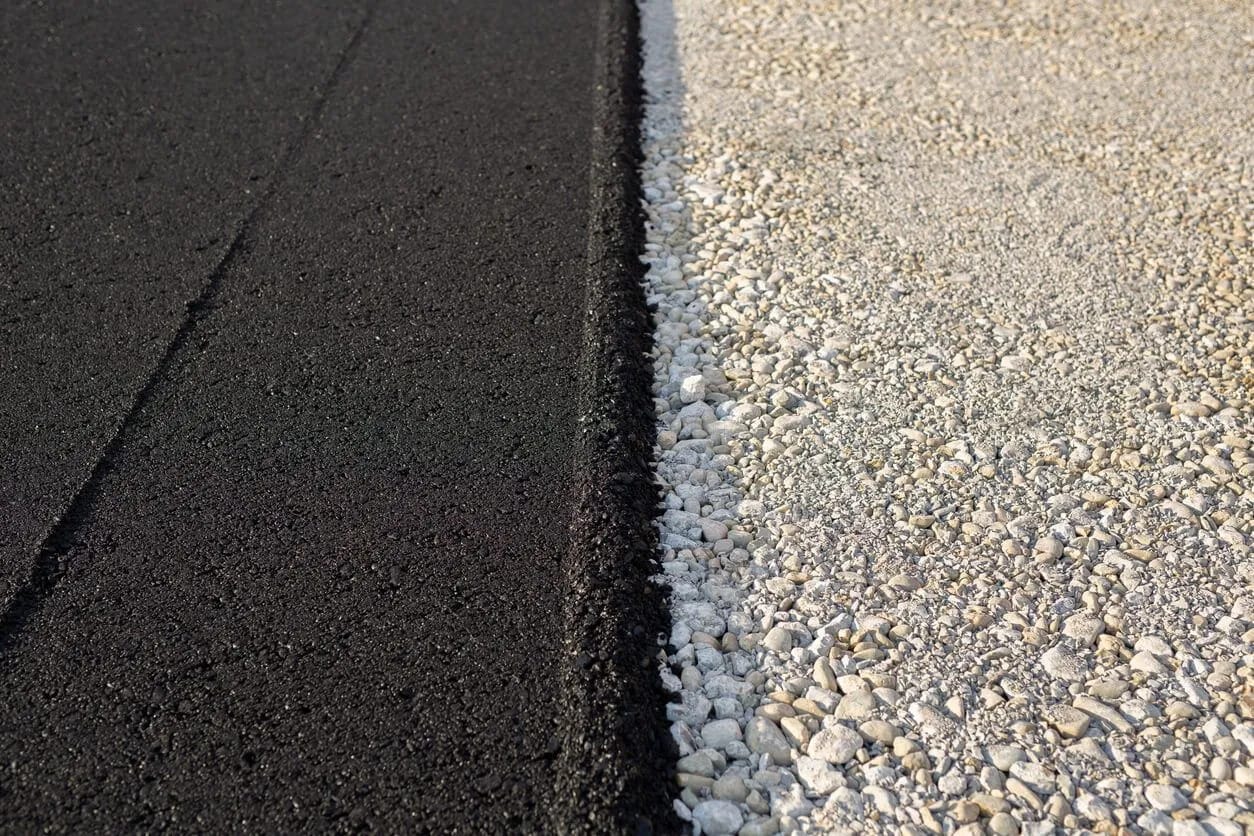
Upgrade rough gravel lots and roads with commercial gravel to asphalt conversions in Charlotte, NC. We regrade, compact, and pave to create clean, low maintenance surfaces. Businesses benefit from better drainage, easier snow removal, and a more professional appearance.
Precision Asphalt Charlotte provides professional commercial gravel to asphalt throughout Charlotte, NC, North Carolina and the surrounding area. Our licensed, insured crew delivers safe, clean, on-time work with a free estimate before anything begins. Call (704) 387-3626 or request your free quote.
Turn Your Gravel Lot Into a Durable Commercial Asphalt Surface
If you are tired of dust, ruts, and constant grading on a commercial gravel lot, Precision Asphalt Charlotte specializes in commercial gravel to asphalt conversions that are built for Charlotte traffic and weather. We turn unstable, messy gravel areas into smooth, well-drained asphalt surfaces that hold up to delivery trucks, employee traffic, and customer vehicles.
Our team focuses specifically on converting existing gravel areas, not just paving over them. That means we evaluate your current base, drainage, and traffic patterns first, then design the pavement structure around how your property is actually used. Whether you manage a small office parking lot in Plaza Midwood, a retail center on South Boulevard, or an industrial yard near the airport, we build a section-by-section plan for a long-lasting asphalt surface rather than a quick overlay that will fail.
When you call Precision Asphalt Charlotte, you talk with people who understand local soil conditions, city requirements, and the way heavy summer storms affect poorly built lots. Our goal is to give you a finished surface that performs better than gravel from day one and continues to perform for many years with routine maintenance.
Site Evaluation: What We Look At Before We Pave
A successful commercial gravel to asphalt conversion in Charlotte starts with a detailed site assessment. We walk the entire lot, not just the visible problem areas, and look at how water moves, where vehicles enter and turn, and where the gravel is pumping or rutting.
Key factors we evaluate include:
• Subgrade stability: In many Charlotte properties, especially older industrial sites, the soil beneath the gravel has never been properly compacted. We check for soft spots, saturated areas, and organic material that must be removed before paving.
• Gravel thickness and quality: Some lots have 2 to 3 inches of mixed stone on top of clay, others have a deeper, more stable aggregate base. We measure depths in multiple locations to determine whether we can rework your existing gravel as part of the base or if we need to add new graded aggregate.
• Drainage and slope: In this region, heavy rains can turn a gravel lot into a mud pit. We identify low spots, existing swales, and how close your lot is to nearby buildings and storm drains. Proper slope and drainage design at this stage prevents ponding and premature asphalt failure.
• Access, traffic, and loading: Truck routes at distribution centers, drive-thru lanes at restaurants, and employee parking rows all put different stresses on pavement. We design pavement thickness and layout based on where the heaviest and most frequent loads occur, not just an average across the whole site.
After the evaluation, Precision Asphalt Charlotte provides a clear explanation of what is salvageable in your current gravel lot and what needs to be rebuilt. This upfront clarity helps you understand cost drivers and make smart decisions about phasing and budgeting.
How Commercial Gravel-to-Asphalt Conversions Are Actually Built
Converting a gravel lot to asphalt is more than just paving over rock. Precision Asphalt Charlotte follows a structured construction process that is tailored to the conditions we find on your site.
1. Stripping and proof-rolling: We begin by stripping off any vegetation, topsoil, or contaminated material that has worked into the gravel. Then we use a loaded truck or roller to proof-roll the area. This exposes weak subgrade spots, which we mark for undercutting and replacement.
2. Subgrade repair and compaction: Soft or pumping areas are excavated to a stable depth, then rebuilt with compacted stone. In parts of Charlotte where clay is common, we often use a geotextile fabric between the subgrade and stone to separate materials and add stability. The entire subgrade is compacted to a specified density so the pavement will not settle unevenly.
3. Building the stone base: For most commercial gravel to asphalt projects, we install a graded aggregate base (GAB) or ABC stone on top of the compacted subgrade. Even if you already have gravel, we frequently add and regrade additional stone to achieve the right thickness and cross slope. The base is fine-graded with a motor grader and compacted with vibratory rollers until it is tight and smooth.
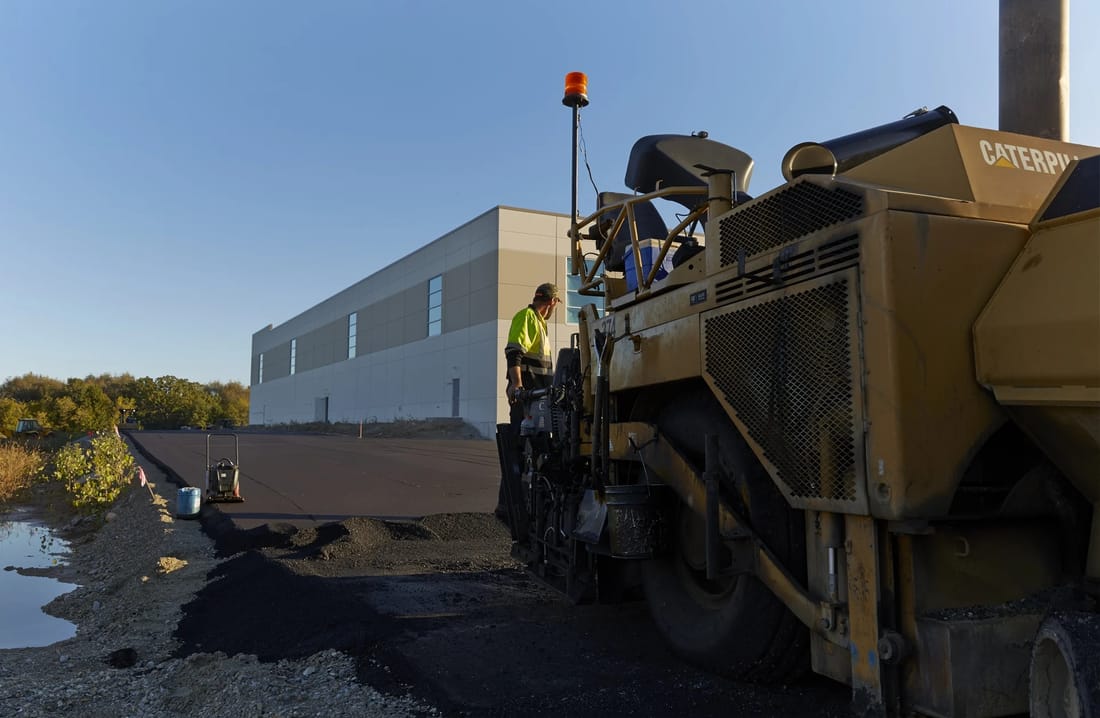
4. Tack coat and asphalt placement: Once the base is ready, we apply a tack coat that bonds the asphalt to the stone. Then we place hot mix asphalt using a paver, usually in one or two lifts depending on the design thickness. Our crews perform constant checks on temperature, mat thickness, and joint quality throughout paving.
5. Compaction and finishing: Steel drum and pneumatic rollers compact the asphalt to the specified density, which is essential for long life and resistance to rutting. Edges are neatly finished, and if the project includes curbing or concrete transitions, we tie the asphalt into those structures for a clean, functional interface.
This process gives you a stable pavement structure from the ground up, not an asphalt skin over a moving gravel base.
Thickness, Mix Designs, and Layout Options for Commercial Lots
The right design for a commercial gravel to asphalt conversion in Charlotte depends on how your site is used. Precision Asphalt Charlotte does not use a one-size approach. We match pavement thickness, asphalt mix types, and layout details to your specific operation.
For light duty parking, such as office or small retail lots, a typical section might include 4 to 6 inches of compacted stone base with 2 to 3 inches of asphalt surface. For heavier applications, like loading areas, drive aisles for box trucks, or equipment yards, we often recommend 6 to 8 inches of stone with 3 to 4 inches of asphalt, sometimes in a base and surface course combination.
Asphalt mix selection also matters. In high turning areas, such as drive-thrus or at the ends of parking bays, we often specify a mix with higher stone content and better resistance to shear forces. In shaded areas that stay cooler and wet longer, we may adjust the mix and drainage details to reduce moisture-related damage.
Layout is another cost and performance driver. During the design stage we can revisit parking stall orientation, aisle widths, and entry points. Optimizing the layout sometimes lets you gain parking spaces while still improving traffic flow. For sites that may be expanded later, we can design joint locations and pavement edges so that future additions tie in cleanly without creating weak seams.
By aligning thickness, asphalt mix, and layout with actual use, we help you avoid overpaying for unnecessary structure in low traffic zones while still reinforcing the heavy duty areas that really need it.
What Drives Cost and How to Control Your Budget
Owners and managers in Charlotte want to know what really affects the cost of a commercial gravel to asphalt conversion. At Precision Asphalt Charlotte, we break down pricing in understandable pieces so you can prioritize.
Major cost drivers include:
• Subgrade repairs: If your existing gravel lot has extensive soft spots or poor drainage, more excavation and stone replacement will be required. This is often the single biggest variable on older sites or those built without proper base preparation.
• Base thickness and asphalt depth: More stone and thicker asphalt increase cost but also add lifespan. We typically present at least two design options so you can weigh upfront cost against expected service life.
• Site access and phasing: Tight, occupied sites with 24-hour operations often require night work or multi-phase construction, which affects labor and mobilization costs. When possible, we help you plan work in sections so at least part of your lot remains open.
• Drainage improvements: Installing new catch basins, tie-ins to storm systems, or swales to move water off the pavement can add cost but prevent recurring failures and standing water complaints.
To help control your budget, we may recommend:
• Focusing on permanent repairs in high-load zones first, while using temporary improvements or thinner sections in low-use areas that can be upgraded later.
• Reusing and regrading acceptable existing gravel where lab tests confirm it can perform as part of the base.
• Scheduling work during drier periods when possible, which can reduce risk and rework on marginal subgrades.
Our proposals itemize these elements, so you can see where your money is going and which scope items are essential versus optional.
Charlotte-Specific Challenges: Drainage, Heat, and Soil Conditions
Commercial gravel to asphalt projects in the Charlotte area face a few recurring local challenges, and our designs account for them from the start.
First, we deal with clay-heavy soils across much of Mecklenburg County. These soils hold water, which leads to pumping gravel and soft spots. Before paving, we often incorporate geotextile fabric, thicker stone bases, or underdrains in known problem areas, especially on older industrial sites or low-lying lots.
Second, summer downpours and thunderstorms are common, and an asphalt surface will fail quickly if water stands on it. We put strong emphasis on cross slopes, positive drainage away from buildings, and connections to existing storm infrastructure. In some Charlotte commercial corridors, storm tie-ins are limited, so we may design surface drainage via swales or re-graded shoulders instead.
Third, heat and sunlight in this region can accelerate oxidation of the asphalt binder on exposed surfaces. While UV exposure is unavoidable, proper compaction, mix selection, and timely sealcoating all help slow aging. We typically recommend a first sealcoat within 1 to 3 years after paving, depending on the traffic volume and mix used.
Finally, many local sites have been patched and re-graveled piecemeal for years. These areas often hide buried debris or poor fill. During construction, if our crews encounter unsuitable material, we address it immediately, consult with you, and adjust the repair plan before proceeding. This proactive approach reduces the chance of settlement and reflective cracking later.
What to Expect When You Hire Precision Asphalt Charlotte
From planning to striping, Precision Asphalt Charlotte manages the complete gravel to asphalt conversion so you can keep your business running.
Before work begins, we review your operational schedule, delivery windows, and peak customer times. Together we develop a phasing plan that might keep one entrance or half the lot open at a time. Clear signage and temporary traffic control are part of our scope, so your employees and customers know where to park during each phase.
During construction you will have a single point of contact who provides daily updates on progress, upcoming closures, and weather-related schedule shifts. Our crews maintain clean, organized job sites, with particular attention to protecting nearby entrances, landscaping, and drainage structures from debris.
Once paving and compaction are complete, we return for pavement markings, wheel stops if specified, and any signage layout that coordinates with your ADA and fire lane requirements. If needed, we can provide as-built documentation of pavement sections and drainage improvements for your facility records or municipal inspections.
After the project, we will outline a practical maintenance plan that fits your budget, including crack sealing intervals, recommended timing for the first sealcoat, and how to handle any future modifications or expansions. The goal is not just to deliver a new asphalt surface, but to give you a predictable, low-hassle pavement asset that serves your business reliably for years.