Home › Asphalt Milling and Reclamation
Prepare your pavement for overlays with asphalt milling and reclamation in Charlotte, NC. We remove precise depths of existing asphalt to correct slopes and smooth rough surfaces. Full depth reclamation recycles material in place to create a strong base for new paving.
Precision Asphalt Charlotte provides professional asphalt milling throughout Charlotte, NC, North Carolina and the surrounding area. Our licensed, insured crew delivers safe, clean, on-time work with a free estimate before anything begins. Call (704) 387-3626 or request your free quote.
Asphalt Milling and Reclamation in Charlotte, NC
When asphalt surfaces in Charlotte start cracking, rutting, or holding water, full replacement is not always the smartest first move. Asphalt milling and reclamation let you fix structural problems, improve drainage, and create a smooth driving surface while reusing much of the material you already paid for.
Precision Asphalt Charlotte focuses on milling and reclamation for commercial lots, subdivisions, church and school campuses, and private roads throughout Mecklenburg County and surrounding areas. We look at how the pavement is failing, what traffic it carries, and how often it can be shut down, then build a plan that restores the structure instead of just covering issues with a thin overlay.
On this page we outline what milling and reclamation really involve, how we phase the work so your property stays usable, and what decisions affect your cost. If you manage a HOA in Ballantyne, a warehouse in North Charlotte, or a medical office near SouthPark, this information will help you compare bids and ask the right questions before hiring anyone.
How Asphalt Milling Works, Step by Step
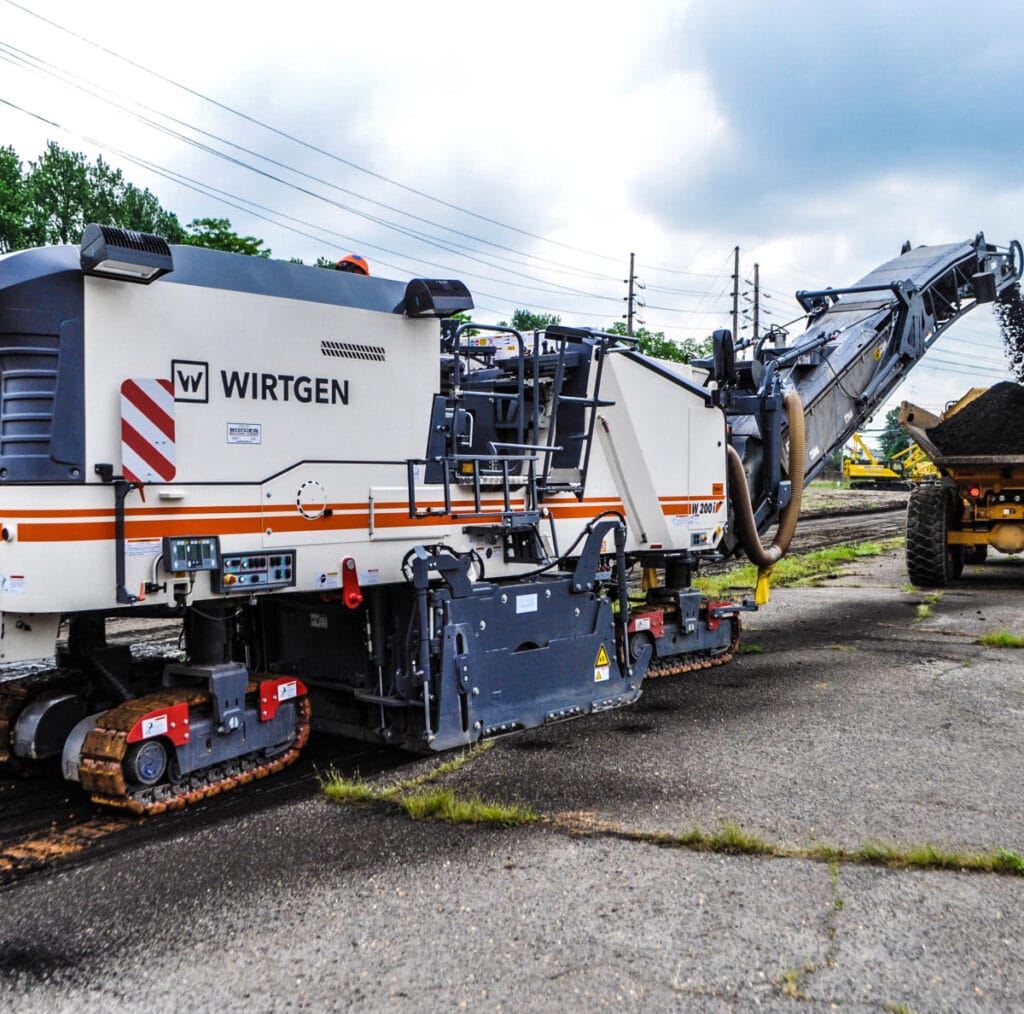
Asphalt milling is the controlled removal of the top layer of asphalt with a machine that grinds and loads the material into trucks at the same time. It is not random grinding. The crew sets cut depths in fractions of an inch based on the problem they are solving.
1) Initial evaluation and layout. Precision Asphalt Charlotte walks the site, measures grades, notes low spots, and checks where water currently stands after storms. We also confirm curb heights, manhole elevations, and any ADA ramps that must stay within slope limits. From there we mark milling depths so we do not expose stone base where it is still sound.
2) Traffic and access plan. In busy Charlotte parking lots, we usually schedule milling in phases, for example front half one night, back half the next, so you can keep doors open. For apartment or HOA streets we may coordinate temporary parking areas and send notices to residents ahead of time.
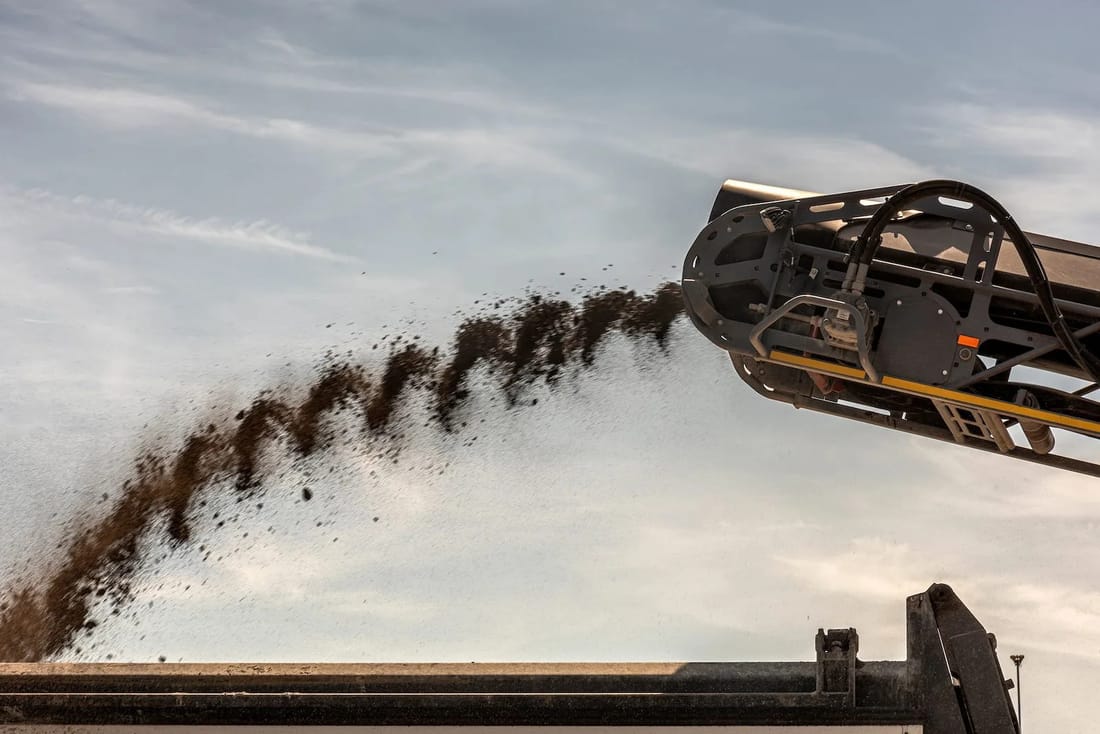
3) Machine setup and milling. The milling machine cuts the asphalt to the specified depth, typically 1 to 2 inches for a profile mill, and up to the full depth if the surface is beyond repair. Conveyor belts load the grindings into dump trucks so the site stays cleaner. The cutter head has teeth that must be sharp and properly spaced; dull teeth leave a torn surface that will not bond well. We inspect the pattern as we go and adjust machine speed and water flow to keep dust down.
4) Fine grading and cleaning. After milling, we check the milled surface with a straightedge and laser level. This is where we correct birdbaths and cross-slope issues so water drains to catch basins instead of pooling. The crew trims around inlets, manholes, and curb lines by hand if needed. Then we sweep the entire surface thoroughly with a power broom so the new asphalt has a clean, textured surface to grab.
5) Overlay installation. The new asphalt layer is placed over the milled surface, then compacted with steel and rubber-tire rollers. Milling gives the overlay a mechanical lock, which is one reason milled overlays in our climate often last longer than simple surface overlays on top of old asphalt.
Full-Depth Reclamation and When It Makes Sense
When the pavement has alligator cracking, deep ruts, or soft spots that flex under truck traffic, milling alone is not enough. In those cases, full-depth reclamation (also called pulverizing) can rebuild the base without hauling everything away.
With reclamation, Precision Asphalt Charlotte uses a reclaimer machine to grind the entire asphalt layer together with several inches of the underlying stone base. The typical depth in this region is 6 to 10 inches, depending on soil conditions and expected traffic. In areas with weak clay, which are common around Charlotte, we may recommend adding cement or another stabilizing agent that is mixed in as we reclaim the material.
The reclaimed mix is then graded to establish proper crown and drainage, compacted with heavy rollers, and allowed to cure if a stabilizer is used. Once the base reaches the required density, we install a new asphalt layer on top. The result is a recycled, stabilized base that performs more like a new road than a patched one.
Reclamation makes sense for long private drives in Huntersville or Matthews, older industrial yards that have been patched for decades, and HOA streets where the base was underbuilt when the subdivision was first developed. Instead of trucking out old asphalt and stone, you reuse it in place, which can significantly reduce material and disposal costs and often shortens the schedule.
Common issues we watch for include soft subgrade pockets that show up after the first compaction passes. When that happens, we undercut those areas, improve the subgrade with stone or stabilization, then compact again so weak spots do not show up later as dips or cracks.
Costs, Local Conditions, and What Affects Your Price
Asphalt milling and reclamation prices in the Charlotte area are driven by several practical factors, not just square footage. Understanding these will help you compare quotes on equal terms.
Depth and scope. Milling a uniform 1.5 inches from a flat parking lot is faster and cheaper per square foot than variable-depth milling around warped areas, drains, and transitions. Reclamation to 10 inches with stabilization will cost more than a light surface mill, but it may be the only way to correct structural problems.
Access and phasing. Tight sites in Uptown or South End with limited truck access and strict working hours take longer and may require night work or weekend shifts. Phased work so half the lot stays open costs more than closing everything at once, because the crew has to mobilize multiple times and set up more temporary traffic control.
Drainage and ADA considerations. Many Charlotte properties have existing drainage problems from the original construction. If we need to reestablish slopes to meet ADA guidelines at ramps and sidewalks, or adjust multiple manholes and valve boxes, there is more layout and handwork involved. Skipping this step just to get a cheaper price often leads to standing water or noncompliant slopes after the overlay.
Material choices. For overlays on milled surfaces that will carry heavy trucks, we may suggest a base course mix with a tighter aggregate structure and a stronger binder grade, then a finer surface course on top. Those mixes cost more per ton but handle rutting and turning movements in loading areas better. For lighter duty HOA streets, a single lift of a well-graded surface mix is usually sufficient and more cost effective.
Local approvals and coordination. Most milling and reclamation jobs on private property in Charlotte do not require a full city street permit, but there are exceptions. Ties into public streets, work that affects city sidewalks or drainage inlets, and projects inside certain overlay districts may need coordination with the City of Charlotte or NCDOT. HOAs often require advance notices, parking plans, and color-coded maps for residents. Precision Asphalt Charlotte handles these logistics so you are not stuck in the middle.
What Charlotte Property Owners Should Know Before Hiring
Before you hire any contractor for asphalt milling or reclamation, there are a few specific questions that can protect your budget and your pavement.
Ask how they determine milling depth. A one-depth-fits-all approach does not work on older Charlotte lots that have been overlaid multiple times. You want a contractor who cores or probes the pavement in several spots, checks base thickness, and explains where they plan to feather or change depths.
Confirm how they will handle drainage and tie-ins. The milled surface needs the right slope toward catch basins, and the finished asphalt should meet existing concrete at flush transitions, not leave trip edges. For sites with ADA parking near entrances, get a clear explanation of how cross-slope and running slope will be maintained.
Review their plan for traffic, dust, and cleanup. Milling can be loud and dusty if not managed. Precision Asphalt Charlotte uses water systems on our milling machines, schedules noisy work at off-peak times when possible, and sweeps the site thoroughly before and after paving. We also place temporary ramps where needed so you can cross edges safely between phases.
Clarify what happens to millings. Some property owners prefer to keep a portion of the grindings for use on gravel drives or storage areas. Others want all material removed. Make sure this is spelled out along with hauling and disposal costs. In reclamation jobs, confirm whether stabilizers are included and what lab or field tests will verify density.
Finally, look at similar projects the contractor has completed in the Charlotte region, not just generic photos. Parking lots at local churches, multi-building office parks, and distribution centers with truck courts give you a realistic sense of how their milling patterns, joints, and drainage hold up under real traffic and weather on Piedmont soils.