Home › Gravel-to-Asphalt Conversions
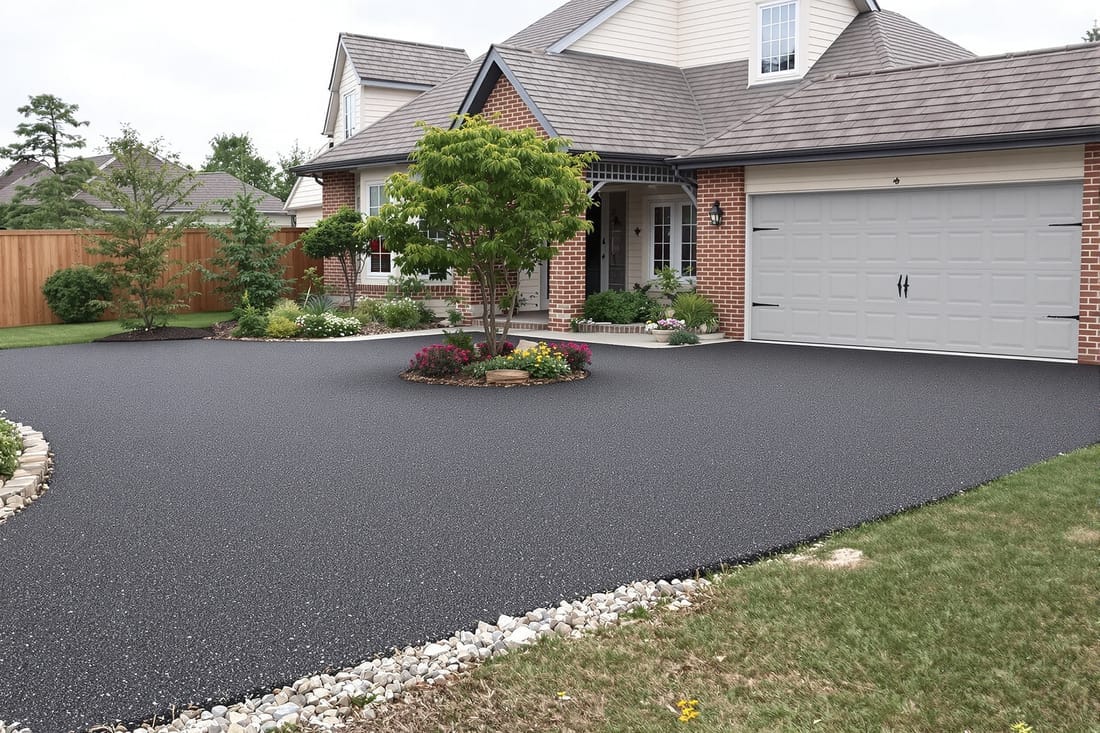
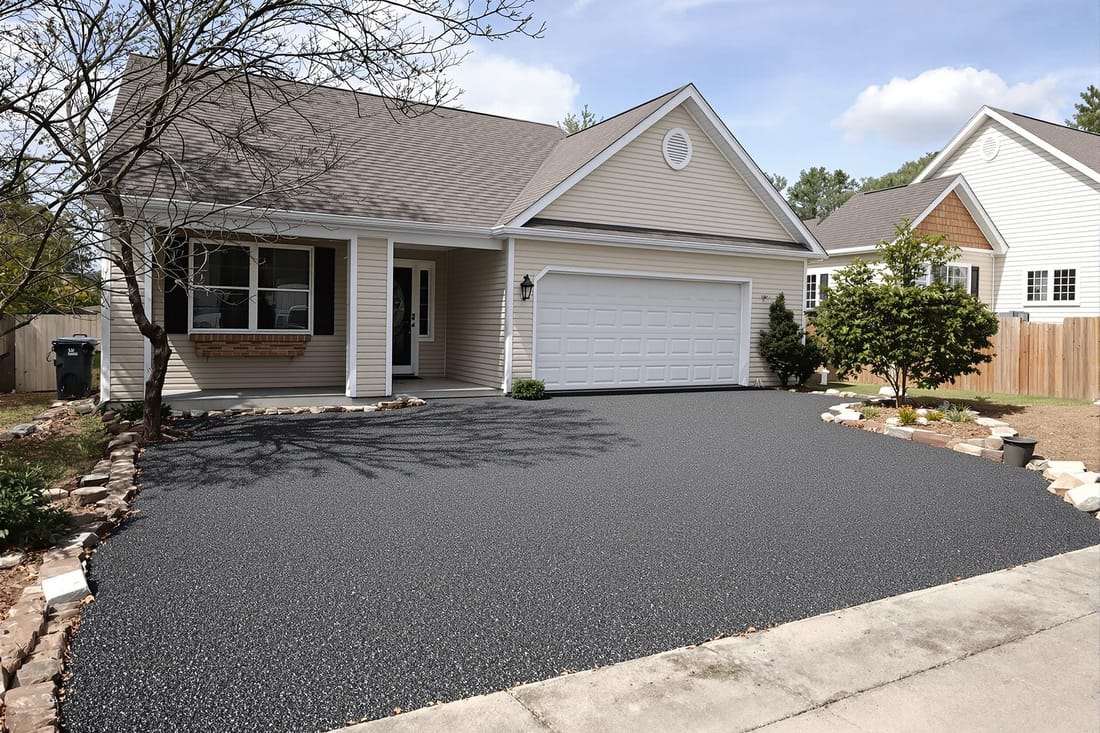
Precision Asphalt Charlotte performs gravel to asphalt driveway conversions in Charlotte, NC so you can say goodbye to ruts, dust, and mud. We regrade your existing gravel, add stone where needed, and compact a solid base before installing a smooth asphalt surface. Our gravel driveway paving process turns uneven drives and rural roads into clean, long lasting blacktop that is easier to plow, sweep, and maintain.
Precision Asphalt Charlotte provides professional gravel to asphalt driveway throughout Charlotte, NC, North Carolina and the surrounding area. Our licensed, insured crew delivers safe, clean, on-time work with a free estimate before anything begins. Call (704) 387-3626 or request your free quote.
Turn Your Gravel Driveway Into a Clean, Smooth Asphalt Surface
If you are tired of dust clouds in the summer and ruts after every Charlotte rainstorm, a gravel to asphalt driveway conversion can make a big difference in how your property looks and functions. At Precision Asphalt Charlotte, we specialize in taking existing gravel driveways and turning them into durable asphalt surfaces that are easier to drive on, easier to maintain, and much more attractive from the street.
Gravel driveways in the Charlotte area tend to wash out during heavy thunderstorms, especially on sloped lots in neighborhoods like Lake Wylie, Mint Hill, or the hilly parts of south Charlotte. Asphalt creates a stable, compacted surface that holds up to daily traffic, lawn equipment, and delivery trucks without constant regrading. A properly built asphalt driveway also keeps mud off your vehicles, keeps gravel out of your garage, and improves accessibility for anyone with mobility concerns.
Our team does not just pave over gravel and hope for the best. A long lasting conversion depends on correcting drainage, building the right base, and choosing the right pavement thickness for your specific site. We walk your driveway with you, explain what we see, and give you clear options instead of a one size fits all quote.
How We Convert a Gravel Driveway to Asphalt (Step by Step)
Every property is different, but a typical gravel to asphalt driveway project with Precision Asphalt Charlotte follows a clear sequence so you know exactly what is happening in front of your home.
1. Site visit and measurement
We start with a walk through of your driveway. We check the existing gravel depth, look for soft spots, standing water, or ruts, and measure the slope toward the street or ditch. In many older Charlotte neighborhoods, the original gravel drive was never properly graded, so we note where water needs to be redirected.
2. Grading and drainage corrections
Our crew uses skid steers and graders to reshape the driveway so water runs off at a controlled rate. This might mean creating a slight crown in the center of the drive or shaping swales along the sides. In areas that stay wet after rain, we may recommend a simple French drain or a small culvert at the road to keep water from undermining the new asphalt.
3. Base repair and compaction
A gravel to asphalt driveway only performs as well as its base. We typically compact the existing gravel with a vibratory roller, then add new crushed stone where the base is thin or muddy. For most residential driveways in Charlotte, we aim for 4 to 6 inches of compacted stone. On steeper or heavily used driveways, we may increase that for extra strength. Every lift of stone is compacted so it feels solid underfoot before paving.
4. Edge preparation and transitions
Next we define the driveway edges. You can keep a natural grass edge, or we can set concrete or decorative paver borders if you want a more finished look. We also plan smooth tie ins at the street, garage, or carport so there is no bump where asphalt meets existing concrete. This detail is especially important for low riding vehicles and for water control at the street.
5. Asphalt installation
When the base is ready and the weather is suitable, we bring in hot mix asphalt from a local plant. For a standard residential gravel to asphalt driveway, we usually install 2 to 3 inches of compacted asphalt surface course. We spread, level, and roll the mix while it is still hot so it bonds tightly to the prepared base. Our crew checks slopes with levels and rods as we work so water drains the right way rather than toward your house.
6. Final rolling and cleanup
We finish with a heavy roller for a smooth, even ride, then clean up loose gravel from the lawn and street. You can often walk on the new surface the same day. For vehicles, we usually recommend waiting 24 to 48 hours in warm weather.
Design Choices and Options for Your New Asphalt Driveway
A gravel to asphalt driveway conversion is also an opportunity to tweak the layout and look of your drive. During planning, Precision Asphalt Charlotte can help you adjust the width, shape, and finish to better match how you actually use the space.
Layout and width
Many older gravel drives are barely wide enough for a single vehicle, which makes it hard to pass or park side by side. If you have the space, we can widen the driveway, add a parking pad near the garage, or straighten tight curves that are difficult to navigate at night. We always keep local property lines, drainage easements, and city or county requirements in mind when suggesting changes.
Thickness and strength
If your driveway mostly serves cars and SUVs, a standard residential asphalt thickness is usually enough. If you park work trucks, RVs, or trailers regularly, we may recommend an upgraded base and slightly thicker asphalt to prevent flexing and early cracking. It costs a bit more up front, but it saves money by avoiding rutting and structural repairs later.
Surface appearance
While most gravel to asphalt driveways use traditional black hot mix, we can discuss options like a slightly coarser surface for more traction on steeper hills or tighter, smoother mixes that are easier to sweep and keep clean. We also talk about where to place seams so the finished surface looks uniform rather than patchy.
Edges and landscaping
You can keep a simple grass edge, but some homeowners in Charlotte choose brick or stone edging, or a neat mulch bed along one or both sides. We coordinate the driveway elevation with your lawn and landscaping to avoid sudden drops that are difficult to mow or walk across.
Future sealcoating and striping
For larger residential or small commercial drives, we can plan ahead for future sealcoating or even simple striping for guest parking. That planning affects where we place joints and how we shape transitions so maintenance is easier down the road.
What Affects Cost and Timing in Charlotte, NC
Homeowners often ask what drives the price of a gravel to asphalt driveway conversion and how long the project will take. We are straightforward about both, so you can budget and plan around your schedule.
Main cost drivers
The biggest factors in cost are driveway size, base condition, and access. A long rural driveway in the outskirts of Charlotte will naturally cost more than a short in town drive simply due to square footage. If your existing gravel base is fairly thick and drains well, we may only need minor touch ups, which keeps costs down. If there are soft, muddy areas, those sections require excavation and additional stone. Steep slopes, limited access for trucks, or tree root removal can also add to the price.
Local weather and best time to pave
In Charlotte, we work around humidity, heat, and sudden thunderstorms. Hot mix asphalt needs certain temperatures to compact correctly. Spring and fall are ideal because temperatures are moderate and curing is more even. Summer works well too, but we watch for afternoon storms so fresh asphalt is not rained on before it is compacted. In winter, we are more selective about paving days and may recommend waiting if temperatures are too low for quality work.
Project duration
Most standard gravel to asphalt driveway conversions for single family homes in the Charlotte area can be completed in one to three days once we start, depending on the amount of base repair required. Longer rural drives or major drainage corrections can add another day or two. We schedule work so you are without driveway access for the shortest realistic time and coordinate with you if you need to park on the street temporarily.
Permits and HOA requirements
In most of Mecklenburg County, small residential driveway upgrades do not need a full building permit, but certain locations or tie ins to the street may require city or county approval. If your neighborhood has an HOA, they may have rules on driveway width or appearance. We help you understand what is typical in your area and provide drawings or descriptions you can share with your HOA if needed.
Common Problems With Gravel Drives and How We Solve Them
Converting a gravel to asphalt driveway is not just about looks. It is often the solution to ongoing issues that gravel alone cannot fix. Precision Asphalt Charlotte deals with these problems every day, so we know what to look for before they become headaches.
Ruts and washouts
If your gravel driveway develops deep ruts after every heavy rain, it usually means water is running straight down the drive instead of across it. Simply adding more gravel rarely solves this. During conversion, we reshape the driveway so there is a slight cross slope. This gives water a preferred path off the surface, then asphalt locks that shape in place so ruts do not reappear.
Soft or pumping spots
Areas that feel spongy or push up mud when you drive over them are signs of a weak base. We mark these during the site visit, then undercut those sections and replace the poor soil with compacted stone before paving. Skipping this step can lead to dips and cracks in the new asphalt, so we are careful to correct it up front.
Dust and loose stone
Dust is a big complaint in dry Charlotte summers, especially on longer drives near porches or pool areas. Loose stone also tracks into garages and houses. Asphalt gives you a sealed surface that eliminates dust and keeps material in place. For homeowners with allergies or anyone tired of constant sweeping, this can be a major quality of life improvement.
Tree roots and shade
In older Charlotte neighborhoods, large oaks and maples often line the driveway. Roots can heave gravel and hold moisture. During planning, we evaluate where roots are likely to be a problem. In some cases we can slightly adjust the driveway alignment, in others we may need to carefully remove shallow roots and reinforce the base so the new asphalt is less likely to be displaced.
What you can do to protect your new driveway
Once your gravel to asphalt driveway is installed, basic maintenance helps it last. Avoid parking heavy trailers on the same spot for long periods, especially in the first summer. Keep edges supported, either with soil and grass or edging, so the asphalt does not break off at the sides. After the first year, consider periodic sealcoating to slow down oxidation from Charlotte sun and to keep the surface looking deep black.
If you are ready to move from a dusty, rutted gravel drive to a clean, smooth asphalt surface, Precision Asphalt Charlotte can walk you through options, pricing, and timing tailored to your property.