Home › Asphalt Sealcoating & Crack Filling
Protect your driveway investment with asphalt sealcoating and crack filling in Charlotte, NC. Our team cleans the surface, seals cracks, and applies an even coat of commercial grade sealer. Regular maintenance keeps water and UV damage out so your blacktop stays smooth and attractive longer.
Precision Asphalt Charlotte provides professional asphalt sealcoating throughout Charlotte, NC, North Carolina and the surrounding area. Our licensed, insured crew delivers safe, clean, on-time work with a free estimate before anything begins. Call (704) 387-3626 or request your free quote.
Protecting Your Pavement With Asphalt Sealcoating in Charlotte
In Charlotte, your asphalt takes a beating from hot summers, sudden storms, and the occasional freeze. Sealcoating is a protective layer that keeps that weather from breaking down your driveway or parking lot too early. At Precision Asphalt Charlotte, we treat sealcoating like a preventative maintenance plan, not just a cosmetic touch up.
When we talk about asphalt sealcoating, we are talking about applying a thin, uniform layer of protective sealer over the existing asphalt surface. This shields the pavement from UV rays, water, oil drips, road salt, and general wear. The result is a darker, cleaner looking surface that typically lasts longer and is easier to clean.
In our climate, unprotected asphalt can start to oxidize and turn gray in just a few years. That oxidation makes the surface brittle, which leads to more cracking under traffic and temperature swings. Sealcoating slows that whole process down. Most of our residential and commercial clients around Charlotte see the best results when they sealcoat every 3 to 4 years, depending on traffic and how much shade the area gets.
We also combine sealcoating with crack filling on the same visit whenever possible. Filling cracks first keeps water from getting down into the base, and the sealer then ties everything together on top. That combination is what really helps pavements ride smoother and last longer in the long run.
How Our Asphalt Sealcoating Process Works
Our crews at Precision Asphalt Charlotte follow a specific step by step process on every asphalt sealcoating job, whether it is a small driveway in a South Charlotte neighborhood or a busy parking lot in Uptown.
1) Detailed inspection: We start by walking the site with you. We look for structural failures, low areas that hold water, oil soaked patches, and any drainage issues. If we see something that sealcoating alone will not fix, like a failed base area or severe rutting, we tell you up front and recommend repair options.
2) Cleaning and prep: Proper prep is where most of the quality comes from. We use power blowers, brooms, and in some cases pressure washing to remove dust, leaves, and loose debris. We also wire brush and clean along edges and around curbs. Oil spots are pre treated with an oil primer, which helps the sealer bond instead of peeling later.
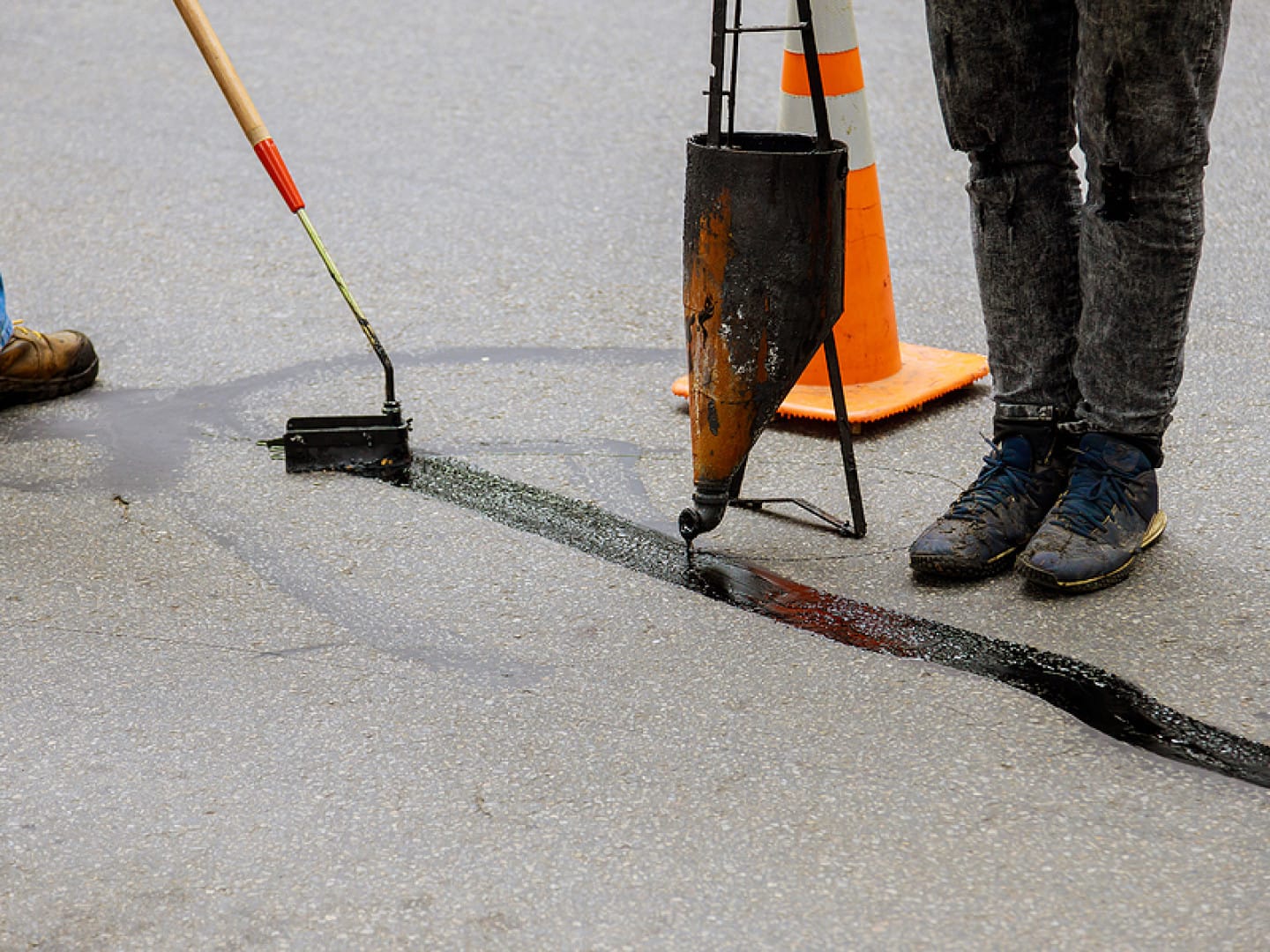
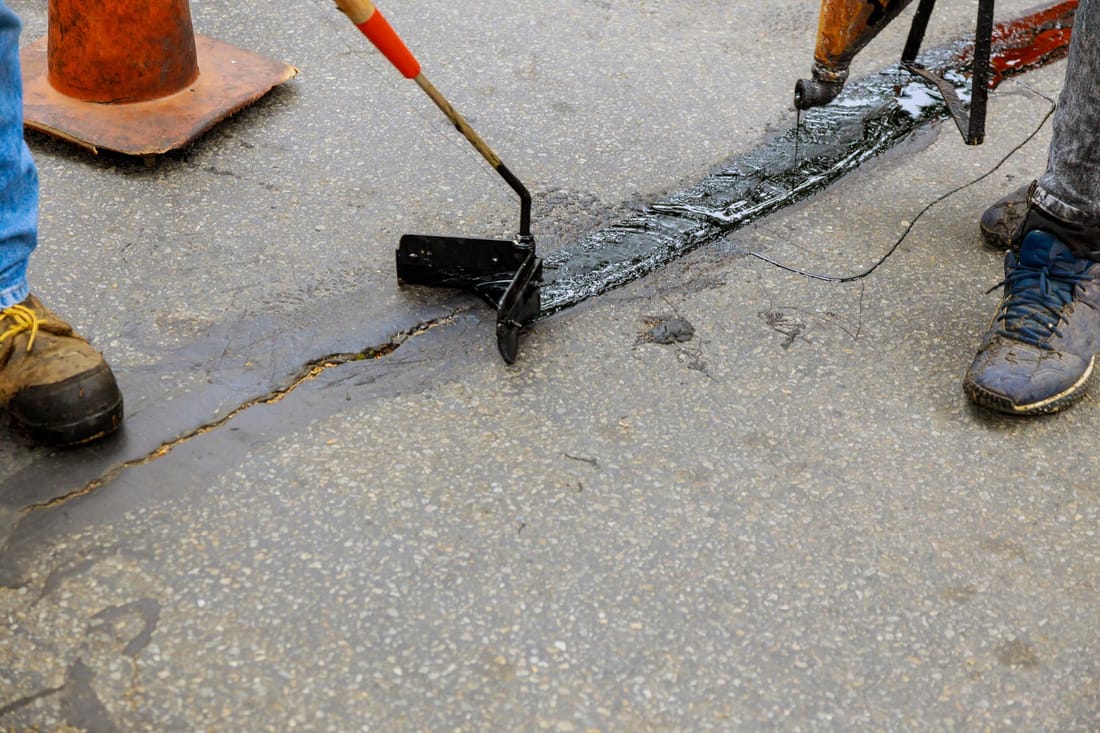
3) Crack filling: Before we apply sealer, we route or blow out open cracks and then fill them with a hot rubberized crack filler or a high quality cold pour product, depending on the crack width and the condition of the surrounding pavement. This material stays flexible so it can move a bit with temperature changes without popping out.
4) Edge cutting and protection: We protect adjoining concrete, garage doors, and structures with tape or shields where needed. We also cut in sealer carefully by hand along edges and around obstacles before we use spray or squeegee methods on the main areas.
5) Sealcoat application: For most residential driveways we use a squeegee and brush application that works the sealer into the surface texture. For larger commercial lots, we may spray apply with a calibrated system for an even, consistent coat. In many cases we apply two thin coats instead of one thick coat, which cures better and lasts longer.
6) Curing and reopening: After application, we block off the area and post reopening times. In Charlotte’s typical temperatures, light foot traffic is usually okay after 24 hours and vehicle traffic after 24 to 48 hours, depending on shade and humidity. We always confirm timing with you based on the actual conditions on your project day.
Crack Filling in Charlotte: What We Fix and How We Do It
Crack filling is the part of the job that protects your asphalt from water, which is the number one enemy of pavement in North Carolina. When water gets into cracks and reaches the stone base below, you start to see potholes, edge breakup, and sunken spots. That is why Precision Asphalt Charlotte treats crack work as a priority, not an add on.
We see a few common types of cracks around Charlotte. Long, straight cracks along the length of a driveway or traffic lane often come from normal expansion and contraction or minor base movement. Alligator cracking, which looks like a web or reptile skin, usually indicates more serious base or surface failure. We can fill isolated alligator cracks to slow down damage, but in many cases those areas really need patching instead of just crack filling. During our inspection we will explain which is which so you can make an informed decision.
On suitable cracks, we start by cleaning them thoroughly with high pressure air and wire brushes to remove dust, grass, and loose asphalt from inside the crack. If the crack is wide and deep enough, we may route it slightly to create a uniform reservoir that holds the filler better. Then we heat and apply hot rubberized crack sealant or use a high grade cold apply material for smaller jobs or tight access areas.
After placing the material, we strike it off so it is slightly crowned but still smooth enough that tires do not pick it out. On parking lots with significant traffic, we sometimes add sand to the surface of the crack filler while it is warm to create some texture and reduce tracking. Finally, once the crack material has cooled and skinned over, we apply the sealcoat across the entire surface, which helps lock in the crack treatment and gives the pavement a consistent look.
Local Conditions, Cost Factors, and Scheduling Around Charlotte Weather
Charlotte’s weather patterns directly affect your asphalt and also how and when we perform sealcoating and crack filling. High UV levels in summer, sudden afternoon storms, and periodic winter freezes all play a role. Precision Asphalt Charlotte schedules this work with those conditions in mind.
We avoid sealcoating if the surface temperature is too cold, if rain is likely during curing, or if overnight lows will drop below acceptable temperatures for the product being used. For most projects we prefer daytime highs in the 60s to 90s and dry weather for at least 24 hours after application. If a storm pops up on the forecast, we will adjust your schedule rather than risk a failed coating.
Costs are influenced by several practical factors. Square footage is a big one, but layout matters too. A straightforward driveway or open parking lot is more efficient than a surface that has lots of small islands, loading docks, or tight turns. Heavily cracked areas require more crack filling and sometimes additional product, which adds labor and materials. Oil saturated areas that need extra priming or cut out and patching also affect price.
We also factor in traffic control on commercial lots. If your business needs to stay open, we can phase the work by closing one section at a time, but that planning and extra trip time will be reflected in the quote. For homeowners, cost can sometimes be reduced by coordinating with neighbors for same day service on nearby driveways, which spreads mobilization costs over multiple projects.
Before you hire anyone in Charlotte for asphalt sealcoating, ask what product they use, how many coats they recommend for your specific situation, how they handle crack filling, and what their plan is if weather changes. A clear answer to those questions is often the best sign that you will get quality work instead of a quick spray and go job.
What You Can Expect From Precision Asphalt Charlotte
When you choose Precision Asphalt Charlotte for asphalt sealcoating and crack filling, the goal is to give you a predictable, low stress experience along with a longer lasting pavement.
We start with a straightforward site visit and written proposal, not a one number quote over the phone. The proposal will spell out how much crack filling is included, what type of sealer we are using, how many coats we plan to apply, and what any optional repairs might cost. If you have a homeowners association or commercial property manager who needs documentation, we can provide product data and insurance information.
Scheduling is coordinated around your needs. For homeowners we talk through where you will park while the driveway is curing and how to protect the surface from foot traffic, pets, and lawn equipment. For commercial properties we plan work for off hours or weekends when possible and provide cones and caution tape to help guide vehicles.
During the job, our crew leader is your main point of contact. They can walk the site with you before we start, point out any concerns, and confirm traffic reopening times before we leave. Once the sealcoat has cured, you can expect a darker surface that looks refreshed, with filled cracks protected from water intrusion and a smoother, easier to maintain pavement.
Because conditions vary across Charlotte, from shaded, tree lined streets to wide open commercial lots, we may recommend slightly different maintenance cycles. After the first project we will give you a simple, specific plan for when to reseal, how to spot early signs of trouble, and what small issues you can handle yourself to stretch the life of your asphalt between professional visits.